Lionel Richie Seeks to Trademark His Voice, Citing AI Deepfake Concerns
Lionel Richie has filed four trademark applications to protect the sound of his voice, echoing Taylor Swift's efforts to combat AI deepfakes. Each application covers audio of Richie speaking a phrase from one of his songs.
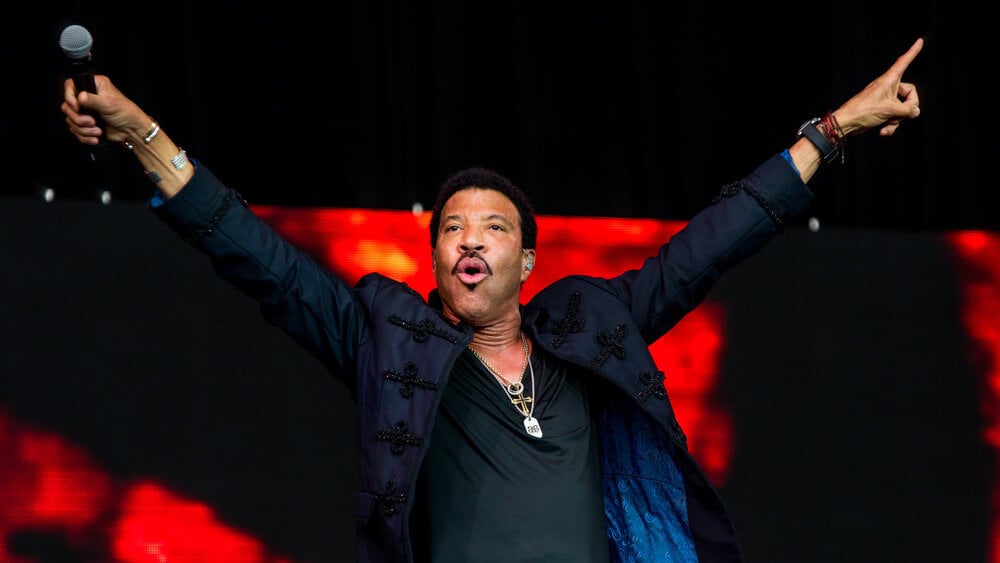
Lionel Richie files to trademark the sound of his voice, following Taylor Swift amid AI deepfake crackdown
June 15, 2026 By Mandy Dalugdug
Lionel Richie has applied to trademark the sound of his voice.
Continue to article...
The four-time Grammy winner filed four applications on Thursday (June 11) at the US Patent and Trademark Office (USPTO).
Each application covers audio of Richie saying a phrase drawn from one of his songs, including Hello, is it me you’re looking for? as well as: Say You, Say Me, Easy Like Sunday Morning, and All Night Long.
The applications list an entity called RichLion Holdings, LLC as the owner.
The filings were first spotted by intellectual property attorney Josh Gerben of Gerben IP .
Gerben notes that they were filed on an “intent-to-use basis, meaning [ Richie] is not yet using the phrases as trademarks in commerce”.
“Ultimately, these applications are less about protecting individual song lyrics and more about seeking new legal tools to protect celebrity voices in the AI era,” Gerben wrote.
Sounds can be registered as trademarks, with Gerben IP citing the “tu-dum” that Netflix plays when its app launches as a common example.
Trademark filings over lyrics have historically been rare, because a lyric standing alone does not qualify for protection as a mark, according to Gerben IP.
A sound qualifies for registration only if it operates as a ‘source identifier,’ meaning listeners tie it to a specific product or service, Gerben added.
A registered mark could give Richie grounds to challenge imitations that merely resemble his voice, reaching beyond what copyright law and publicity rights already provide, according to Gerben IP
The blog post notes that the applications indicate “the sounds will eventually be used in connection with providing music and entertainment information, videos, and news about a musical artist”, Gerben IP said.
> “From a technical trademark perspective, these filings will be challenging because the USPTO will expect evidence that the sounds function as trademarks rather than simply famous lyrics.” Josh Gerben, Gerben IP
“Whether Richie ‘s applications ultimately succeed remains an open question,” Gerben wrote.
“From a technical trademark perspective, these filings will be challenging because the USPTO will expect evidence that the sounds function as trademarks rather than simply famous lyrics.”
“If successful, these filings could become an important test case for how trademark law adapts to the AI era,” Gerben wrote.
Richie is not the first music star to pursue the strategy.
Taylor Swift in April applied to register her voice saying “Hey, it’s Taylor” and “Hey, it’s Taylor Swift,” along with her likeness, listing TAS Rights Management, LLC as the owner.
Actor Matthew McConaughey has sought protection for audio of him saying “Alright, alright, alright,” his line from the 1993 film Dazed and Confused .
Talk-show host Jimmy Kimmel has filed similar applications this year, according to Gerben IP .
In the US , name, likeness, and voice have traditionally been protected by right-of-publicity laws, which vary from state to state and carry limitations.
Lawmakers have moved to address that gap with the federal NO FAKES Act , which would establish an intellectual property right in a person’s voice and likeness for the first time.
The bill was reintroduced in Congress on May 20, the third time it has been brought before lawmakers, after failing to advance out of committee on two prior occasions.
In 2023, an AI track that mimicked the voices of Drake and The Weeknd drew more than 250,000 plays on Spotify before it was pulled from streaming services .
Sony Music in March asked streaming platforms to take down more than 135,000 tracks it said were created by fraudsters using generative AI to impersonate artists on its roster.
The fakes cause “direct commercial harm to legitimate recording artists,” Sony Music ‘s Dennis Kooker said at the time, adding that in the worst cases they “potentially damage a release campaign or tarnish the reputation of an artist.” Music Business Worldwide
News United States Lionel Richie Trademark
Related Posts
Universal Music Group settles trademark dispute over use of ‘Republic’ name
_Originally reported by [Music Business Worldwide](https://www.musicbusinessworldwide.com/lionel-richie-files-to-trademark-the-sound-of-his-voice-following-taylor-swift-amid-ai-deepfake-crackdown/)._
This story is summarized from coverage by Music Business Worldwide.
Read full story →Comments
Loading comments…