
Desperation or Design? Why Bo Bichette is the Mets' High-Stakes Answer to Midfield Chaos
With Ronny Mauricio sidelined and the National League East getting tougher, the Mets face a philosophical crossroads: trust the bench or trade for an All-Star stabilizer.
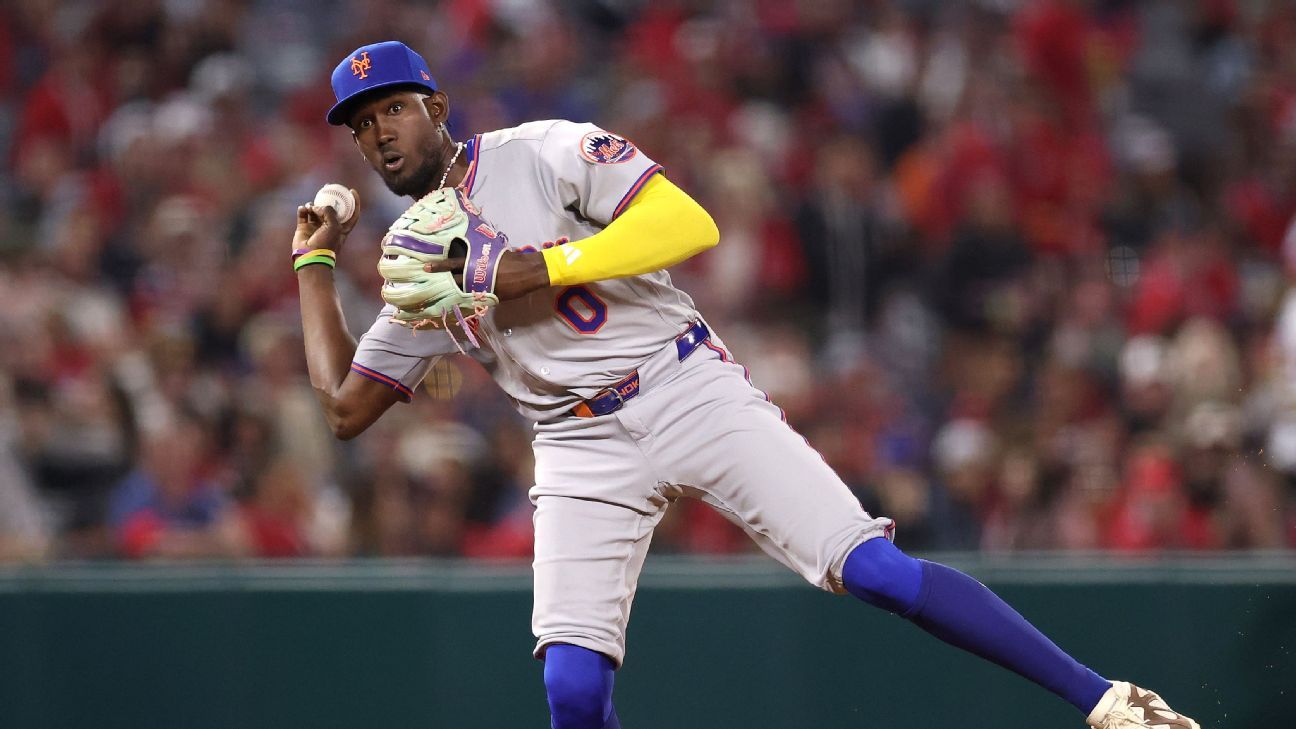
The New York Mets have long been a franchise defined by the fragile architecture of the 'next man up' philosophy. Every time a cornerstone—or in this case, a high-upside utility threat like Ronny Mauricio—crumbles due to injury, the front office is forced to decide between internal stopgaps and the allure of the blockbuster trade. With Mauricio sidelined by a fractured thumb, the vacuum at shortstop and the middle infield has ceased to be a depth chart inconvenience and has become a structural emergency. The name currently echoing through the corridors of Citi Field isn't a prospect, but Toronto’s Bo Bichette, a move that would represent a seismic shift in how the Steve Cohen era approaches roster construction.
The Mauricio Vacuum and the Cost of Inaction Mauricio represented more than just a bat; he was the bridge between the Mets' aging core and their aspirations for a youth-led resurgence. His thumb injury doesn't just subtract a specific slash line from the box score—it removes the flexibility that manager Carlos Mendoza needs to navigate a grueling 162-game schedule. In the modern MLB market, flexibility is the ultimate currency. When you lose a player who can roam the infield while flashing plus-power, the replacement isn't usually found in Triple-A Syracuse. Historically, the Mets have tried to 'patch and pray,' relying on utility veterans to tread water. But in a division where the Braves and Phillies are operating at a historical offensive clip, treading water is the same as sinking.
The Bichette Profile: More Than Just a Shortstop Targeting Bo Bichette isn't merely about filling a hole; it’s about acquiring a metronome. Bichette has consistently been one of the most prolific hit-collectors in the American League, providing a high-contact profile that the swing-and-miss-heavy Mets lineup desperately lacks. Unlike the traditional defensive-first shortstop, Bichette offers an offensive ceiling that transforms the bottom half of the order. However, bringing him to Queens isn't as simple as writing a check. The Blue Jays are a proud organization currently caught in their own crossroads, and prying away a franchise pillar requires a package of prospects that New York has spent three years painstakingly hoarding. The question for David Stearns is whether the immediate stability of Bichette outweighs the long-term potential of the 'Baby Mets' currently percolating in the minors.
Market Context: The Premium on Middle Infielders We are currently living through a golden age of shortstop play, which has driven the market price to astronomical heights. From Lindor to Turner to Seager, the quarter-billion-dollar contract is the new baseline for elite talent. If the Mets were to acquire Bichette, they wouldn't just be getting a player for the remainder of a season; they would be committing to a dual-shortstop dynamic (likely moving someone to second base) that rivals any middle infield in baseball history. From a business and ticketing perspective, this is the type of move that galvanizes a fanbase. It signals that the 'sustainably competitive' mantra won't be used as a shield against making aggressive moves when disaster strikes.
Pattern Recognition: The Stearns Philosophy Meets New York Reality David Stearns built his reputation in Milwaukee by winning trades on the margins—finding value in the overlooked. But New York isn't Milwaukee. The gravity of a Ronny Mauricio injury in this market creates a pressure cooker that demands a star-level response. We’ve seen this pattern before: a key injury leads to a panicked acquisition that hampers the team for a decade. The challenge here is to ensure that a pursuit of Bichette is a calculated upgrade rather than a reactive flinch. If the Mets can land him without gutting their top-tier pitching prospects, they aren't just covering for Mauricio’s absence; they are fundamentally raising the floor of the entire organization for the next five years. To compete in the NL East, you don't just need a shortstop; you need a lineup that doesn't have a predictable 'out,' and Bichette provides exactly that insurance policy.
FAQ
- How does Ronny Mauricio's injury change the Mets' trade deadline strategy?
- It shifts the focus from 'incremental upgrades' to 'essential needs.' The loss of Mauricio's versatility forces the Mets to look for a permanent solution in the middle infield rather than a temporary rental.
- Would Bo Bichette play shortstop over Francisco Lindor?
- Likely not. Lindor is a perennial Gold Glove finalist. Bichette would most likely slide to second base, creating one of the most offensively potent middle infield duos in MLB.
- What is the likelihood of Toronto actually trading Bichette?
- It depends on the Blue Jays' spot in the standings. If they fall out of contention, they may look to reset their farm system by trading stars with high value like Bichette.
Comments
Loading comments…