Kenya Hutton of Center for Black Equity on Black Pride 2026: Challenges & Opportunities
Kenya Hutton from the Center for Black Equity discusses the hurdles and prospects for Black Pride events in 2026. These events offer the LGBTQ+ community a vital space for celebration, connection, and activism.
Pride Events, which are in full swing during June, a.k.a. Pride Month, offer the LGTBQ+ community a safe space to celebrate, experience live music performances, dance, commune, connect, learn, organize and so much more. In recent years, however, as the current administration leads an anti-DEI (Diversity, Equity and Inclusion) agenda backed by federal powers helping sow increasing societal divisions, many pride events, especially for minorities, fame myriad challenges. This includes decreases in sponsorships and funding, greater security concerns, economic hardship, systemic discrimination, gerrymandering, a failure to protect the rights and safety of the LGBTQ+ community and more.
These pressures, according to Kenya Hutten , President and CEO of the Center for Black Equity, are making pride events more important than ever. His organization, a multinational coalition of Black LGBTQ+ organizers and community-based organizations, represents some 58 Black Pride events internationally. Pollstar sat down with Hutton, based out of Washington, D.C.,. to learn more about the state of the pride market, the challenges and opportunities it faces, and what may lie ahead in this critical election year.
Pollstar: What do you do and what are some of your career tent poles? Kenya Hutton: I serve as a president and CEO of the Center for Black Equity, an organization founded back in 1989 as the International Federation of Black Prides. I started working with Black prides which started popping up after the inception of the first Black Pride here in DC back in 1991 as a way to connect the Black prides together to create resources and support. They started out with nine and now represent 58 Black prides globally, including Paris, UK, Netherlands, which I’m going to be at in August. We literally have Black prides almost all over the world.
My background started off in healthcare and HIV prevention. Worked in New York City at Gay Men’s Health Clinic in healthcare job out of college. Then I worked at Foundation for STD. My work really moved from working at HIV prevention and treatment and it was an easy transition into advocacy as I started getting more and more involved, and actually more active and vocal in the work.
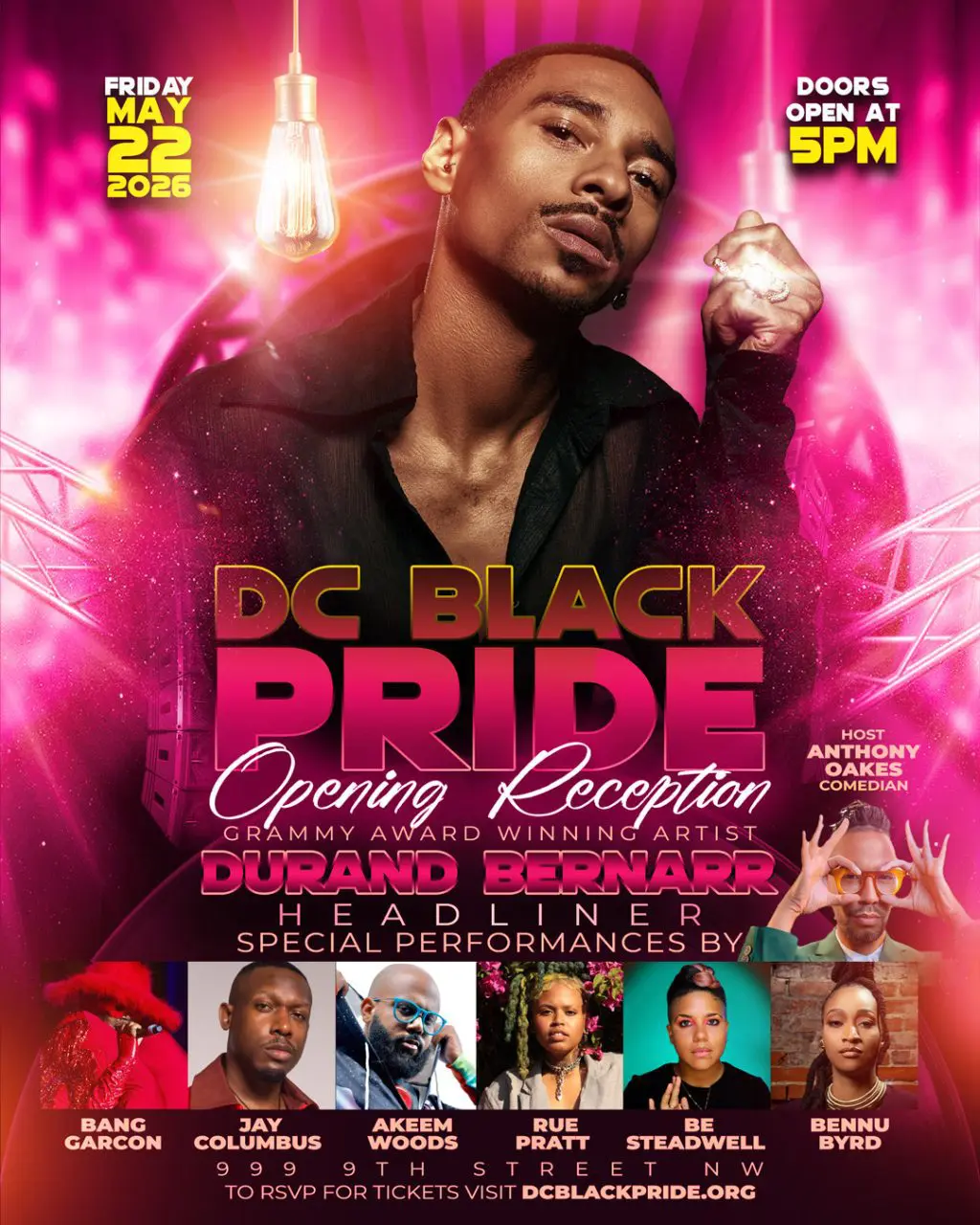
In addition to running this Center for Equity, I also am the organizer of DC Black Pride, the oldest and largest black pride in the world. And I work in partnership with a lot of other prides, a lot of the mainstream prides, across the country. I am a member of InterPride, which is a global network of mainstream prides, as well as I’m a member of US Association of Prides, which is a US network of pride organizers that are working to try to make sure that pride spaces thrive, are happening and excelling, creating safe spaces that are needed. But my hands-on experiences is with Black pride.
I’m from D.C. It’s an amazing community on lot of different levels. My perception of the city recently is that it’s a focal point for a lot divisive federal policies that are hurting people, jeopardizing safety and destroying DEI. In those terms, has DC Black Pride changed from last year or even the year before? DC Black Pride happens in May during Memorial Day weekend so we’re pretty much the first ones out the gate to test the waters for everybody else. Based on what happens with DC Black Pride, everyone adjusts and navigates accordingly. It’s been quite difficult this year. I’ve been doing this for 16 years now, and it’s always been a difficult thing, especially organizing Black Pride because most people want to give their money to mainstream pride because they have a parade and a big street festival. We don’t have that. We do more community-based events. We surveyed nine random prides where folks are looking at 50% to 60% cuts, in their funding. That’s nationally. Some prides are not even happening this year because of funding cuts. It’s because most of these prides are connected to healthcare infrastructures, and when they have to make cuts, it’s, “Do I want to reduce services for consumers, or do we just want to put on this pride event?” So people are choosing they to keep servicing their communities, so their pride is going to get a cut. Most of what’s happening here in DC and elsewhere is that prides are starting to look a little different, It’s going to collapse things into one event instead of having a couple days. It’s unfortunate because there’s such a strong need and hunger for space that prides present and develop.
I tell folks all the time prides are more than parties, they are safe spaces for people of all walks of life. One of the things we did this year at DC Black Pride was we partnered with PFlag and Rainbow In Black and Rainbow Families to create a space for parents that are either LGBTQ or have LGBTQ children for them to be able to come and talk and network and connect with each other. Those spaces don’t exist outside of pride. What I’ve known over the years is that sometimes parents feel alone. So we’re creating these spaces for these community members at a time that’s needed the most, but our hands are almost tied to not be able to create these spaces.
Those of us who’s been doing this for some time, we understand the impact and the necessity for it, so we push through. We still try to it figure out and get creative in how we’re going to do this. Because of being in DC and political connections I’ve gained living here, I was privy to some of the things coming down the pipeline. So we started pivoting and doing our outreach for sponsorship early. We started to reword a lot of our things to make sure community members felt safe. We were able to establish and do the things we wanted and the community didn’t really feel it, because it’s really unfair for the people that are coming here for their safe space, coming from all over the world literally to pride.
I grew up in Flatbush Brooklyn so being a young Black Caribbean gay child in Flatbush Brooklyn, I understand what it’s like to need a safe space. Now that I am in a position to create these same spaces where I sit, I can see the need. But I also see the intentional efforts to pull us back to a place where we don’t have safe spaces anymore. I’ll be very, very transparent, that is very scary to see. As a country, we’re moving quickly back.
Is some of the anti-DEI efforts changing the language around pride as outside organizations and new people in power basically do word searches on “LGTBQ” or “diversity” and then defund whatever they find? Is that something you now have to be aware of? Are there new terms like community awareness or health benefits beause if you use words like “pride,” “gay” or “LGBT Q”…. You are automatically shut down. And that’s exactly what happens. So we have had to be creative in emphasizing the other work besides a parade, emphasizing the health and wellness workshops we do, We had to really lean into that. We had to be creative with our wording. That even happened last year. Some organizations that historically had given us funds, told us they were not able to fund us this year. So we had to pivot and go to other spaces, On the same side, I have two sponsors in particular one donated product and the other donated money and asked for their names not to be listed. I’m happy that they stepped in and gave us support, they gave us more support than they’ve given us before and one had never given support at all. But then this other side, I’m like, “Damn, we can’t even say thank you.” We really try to make sure people know who’s supporting us, especially right now. We don’t charge anybody, we give people drink tickets. We pass around food because we understand that people can’t afford some of these things. Coming to DC is expensive in itself. I don’t want cost to be a barrier from you finding community and finding networks. All of our events are free.
There’s other parties, day parties and brunches and events that happen throughout the city. There’s venues like The Bullpen. Echo Stage, Karma. There are events that happen all over the city, but our main events happen at the Westin. That’s where the events I host and organize are hosted. And it was very difficult this year. Even when it came down to our vendor expo, whereas last year, and even the year before last, we had 75 people and had to turn people away, this year we had about 50. That’s a lot of our people that didn’t even register. I understand why, it puts me to precarious position where I want to be angry, but I also understand the need for safety.
That raises a good point, which is safety, because it doesn’t feel as safe this year as it had maybe last year or years previous. Have there been security concerns or are you upping security, what kind of things are you seeing in the market? We absolutely are increasing our security because we did see an uptick in security concerns last year, especially on social media where folks, especially for Black Pride, we stand in the intersection of getting racist, anti-black comments and anti-LGTBQ comments. It was really bad last year. This year it was bad as well, but I was so focused I didn’t pay that much attention.
Last year was really bad because it was World Pride in D.C., it had heightened visibility and attention so we had to really work with security. It started with Trans Pride, which is a week before ours. Then our pride which is a larger pride. The two big prides in D.C. are D..C. Black Pride and Capital Pride. We both bring thousands of people into the District. So we brought about 150,000 people last year. I think we had about 100,00 this year.
What about city and governmental support? The light at the end of the tunnel of this is that because this administration has been intentional about placing LGBTQ people in positions of power around D.C. government when possible, we’re able to get, support from the government. The Mayor’s Office of LGTBQ Affairs. I I will always give ten toes down because they have supported us more than anybody else. They have been great. The Mayor’s Commission of Arts and Humanities, they came in and supported. The Mayor’s Office of Deaf, DeafBlind and Hard of Hearing came in and provided ASL (American Sign Language) services the entire weekend free of charge. So we are getting that support, we do have people in positions here that support us.
How was attendance this year? Attendancewas great. We’re still finalizing our numbers because we were still in pride season, but we’re looking at probably about 100,000 people, if it’s not over or close to 100,000 people that came into DC for DC Black Pride. Capital Pride has yet to happen. DC Black Pride had another amazing year. People have repeatedly said that they feel like this is actually better People said they had an amazing time. The headliner came and people thought he was going to come and do one or two songs and he did a whole 45 minute set and performed and It was one of our best performances in the history of DC Black Pride.
It’s mighty real right now with politics and the elections in November, which may be the most important elections of our lifetimes. Do you see people working together within the world you operate in that is giving more hope and purpose? With the last presidential election there was a sense of exhaustion. There was a sense of giving up. People were very tired and very frustrated with how that election went and rightfully so. But what I have been seeing, and it’s interesting you the term “the most important election of our lifetime,” because I feel like every year we say the same thing.
It is, until the next one… I agree, because there’s always going to be a threat on the horizon. But what I’ve been seeing in some of the conversations I’ve been having with organizers not just in DC, but across the globe, is that we realize what’s at stake. There is some grassroots mobilization happening with people mobilizing and galvanizing with intentional effort to get people nomina
_Originally reported by [Pollstar](https://news.pollstar.com/2026/06/12/mighty-real-kenya-hutton-of-the-center-for-black-equity-on-the-challenges-opportunities-facing-black-pride-events-in-2026/)._
Comments
Loading comments…