
The Great Escape Celebrates 20 Years: Adam Ryan on 450 Artists and 35 Venues
The Great Escape returns to Brighton, England, for its 20th anniversary from May 13-16. Head of Music, Adam Ryan, discusses the festival's legacy, which includes early performances from Adele, Ed Sheeran, and Stormzy.
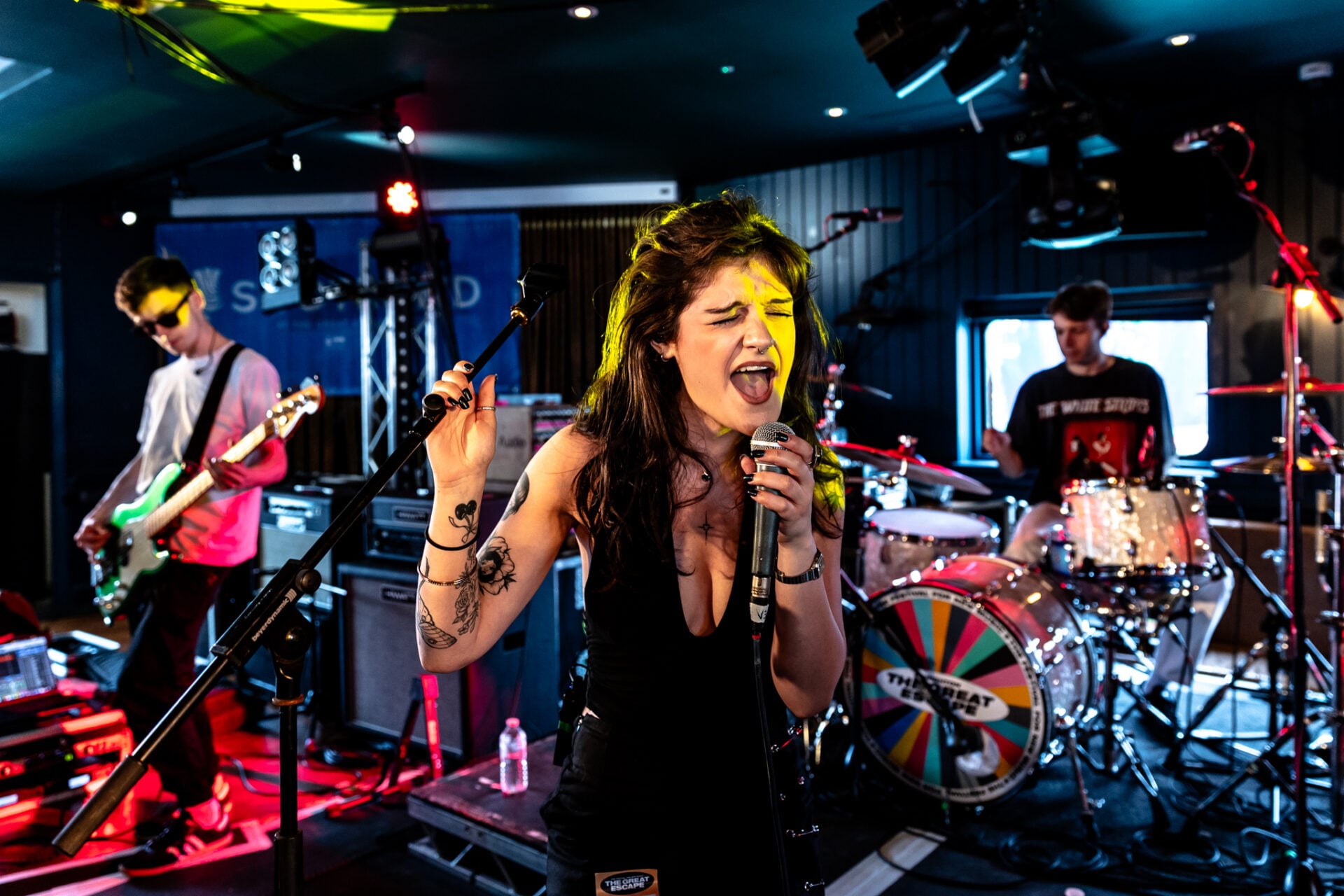
The Great Escape returns to Brighton, England, May 13-16, for its 20th anniversary. Some of today’s biggest artists performed at TGE on their way to fame over the years, including Adele, Mumford & Sons, The 1975, Stormzy, Ed Sheeran, Royal Blood, and many, many more.
Adam Ryan has been involved in The Great Escape since its foundation in 2006. In the early years, while a promoter at the legendary Barfly in Camden, London (now known as the Camden Assembly), he would help out as a venue rep in Brighton, a short train ride from London, and where the festival has been taking place since year one. He started shaping the festival’s music program some 12 years ago, since 2020 as head of music at Festival Republic, the Live Nation company running TGE today.
This year, for the festival’s 20th anniversary, more than 450 emerging artists are going to perform in 35-plus venues spread across Brighton. The lineup is so vast and diverse, it feels pointless to list names in this introduction, but Pollstar asked Ryan to pick a few highlights.
See: The Great Escape UK Announces Full 20th Anniversary Schedule
Pollstar: What’s the first thing that comes to your mind when you’re thinking 20 years of The Great Escape? Adam Ryan: Brighton, the city itself, really. The Great Escape causes so much excitement and buzz, and Brighton enables us to cause that buzz. Getting off that train, immersing yourself in the live music taking place inside Brighton’s many venues…that buzz has grown over 20 years, from the first year with a handful of venues and a small group of people that believed in the event, to where we are now: taking over the majority of the city, utilizing all of the venues and programming some amazing artists.
So, yeah, when I think of 20 years The Great Escape, I just think of all the amazing moments Brighton has given the festival.
Is there any other place you could envision this event taking place? There are other showcase events, obviously, there’s one in Liverpool, there’s one in Wales, and they offer different things. But I think for what The Great Escape offers artists, it has to be Brighton, really: the number of hotels, the number of venues, the location, the importance of it not being in London.
Why is that important? It creates a level playing field. Everybody’s in hotels, they can’t go back to their office, everybody is living out of a suitcase, and is there to do business. I don’t think we would ever move it from Brighton. The music industry, especially the UK music industry, can be quite difficult to engage with, especially as a new artist. The music industry operates on recommendations and personal relationships, so the importance of getting everybody out of London and into Brighton is key. I can’t see a showcase event like this working in London. The Great Escape is perfectly placed here.
Touching on venues: The Beach wasn’t part of the first Great Escape, was it? No, I think we’ve done maybe five to six versions of The Great Escape with The Beach. We didn’t want to take away from the venues spread across the streets of Brighton, but it was important for us to add a new layer to the event by creating more of a grassroots festival area that was still true to the city. The beach was a perfect place for us to do that. And it’s a 1,000 capacity venue, there’s not a huge amount of those in Brighton. It enables us to offer those artists that require a bigger production another option, whilst also having adding a traditional festival feel.
What is the biggest venue that you’re utilizing? The Brighton Dome Concert Hall, which is about 1,800 cap. We do spotlight shows in there. We’ve had some amazing moments in that venue, from Skepta, Lewis Capaldi, Stormzy, artists that have gone on to headline Glastonbury. We’ve been lucky enough to catch them right at that point before they went on to global domination. Yes, we’re a grassroots festival of discovery, but there are different tiers to how that can be presented.
Which is the smallest venue? Probably the Unitarian Church in the center of town, where we do stripped-back acoustic shows.
Why is a festival showcasing new talent more important in 2026 than it ever was? I don’t know whether it’s more important. There’s so many routes to success nowadays. We’re just interested in helping artists get to the next rung of the ladder. It’s an opportunity to be seen by a manager or be picked up by an agent; it could lead to festival slots around the globe or that important sync deal that helps bring some money in to record the next album or cover the cost of a tour.
Some of our partners, like BIMM, AudioActive, or the Roundhouse, are working with grassroots acts right at the beginning of their careers. So, there’s various degrees of support a showcase event like The Great Escape can offer. It’s important to have an event that brings the music industry together, where they can all be in one place and help support developing artists.
What’s the biggest change The Great Escape underwent since its inception in 2006? When we started in 2006, it was predominantly the male indie bands that were in vogue, and The Great Escape, to a point, reflected that. Over the years we’ve done our best to make it more inclusive, more representative of all the different communities that are making music globally.
That global element is important to The Great Escape, and something we’re proud to have developed over the 20 years. And that’s down to building relationships with with people like First Music Contact in Ireland, and Ireland Music Week, or Sounds Australia, or Canada House –having these people come on early and create bridges from their domestic markets into the UK and European industry has been key. We are always on the lookout for partners that can help us create more bridges and avenues for new music.
Has it become easier to form these collaborations now than it used to be back then? It’s definitely easier. We have a proven track record and 20 years worth of success stories. It’s definitely easier for us to go to these people, build a relationship, and make a pitch on how we can help develop their music industry. If you have a strong creative industry, it’s a form of soft power, isn’t it? It shines a positive light on a country. I like to think that more countries should be and will be investing in the arts and the creative industry, so there can be more global exchange of ideas and talent.
I’m assuming you also get pitched more than ever before. Yeah, but it’s important to make sure you’re working with the right partners and the right people, and that the opportunity is democratically opened. We definitely don’t want to be in a situation where it’s pay to play. We always make sure the application process is adhered to, and that when we do have a partnership, it’s open to as many people as possible. That’s key to the curation of The Great Escape.
How have the expectations of the artists, professionals , and the audience attending changed over the years, if at all? Streaming has obviously had a massive effect on what we program. We may program an artist in a certain venue, they have a viral moment, and by the time the event comes around, you have to move things around. Trying to get the audience to understand that can be difficult.
The Great Escape audience has such an appetite for live music and discovery. You don’t have to sing in English, you don’t have to try and fit in with the UK version of such-and-such to make it big. People are listening to more music than ever before, there’s more and more opportunity for artists to break through and find their audience, because audience tastes have gotten so much broader – that’s probably the biggest change.
Is there anything you would like to highlight with regard to the upcoming 20th anniversary edition? I have a long list. Obviously, our welcoming party with Angine de Poitrine is going to be a special event on the Wednesday. There’s an act that we booked in a small venue at the beginning of the year, and upgraded it as we’ve gone along, due to their viral success. Tommy Barlow, Way Dynamic, Sunday Mourners, Bella Kay, who’s obviously having a huge moment, Pozzy, a UK Hip Hop act I’m excited to see. There’s a young artist called Sade Olutola that’s exciting. There’s just so much. Julia Cumming’s solo project, looking forward to seeing that. There’s such a breadth of amazing new artists on this lineup, so many reasons to look forward to being in Brighton in May.
When we last spoke in 2024, you said the future of music was safe . Do you still think that two years later? Yeah, I think people always create amazing music. It’s part of being human. The thing that maybe isn’t safe is the cost of putting on a festival. But with every change in the industry, there’ll always be a counterweight to go the other way and keep things moving forward. In terms of creativity, there’s a lot of amazing artists out there globally. We showcase only a fraction of what’s out there, so I would say things are and will always remain exciting.
Grassroots touring is going through a tough time right now. The Great Escape in many ways epitomizes the scene, bringing artists, their teams, and fans together inside independently run clubs, bars and venues. What’s your wider take on the health of the grassroots scene? I don’t do touring, so it’s tough to say, but you do see the number of shows on a tour going down, which is a shame. The more we can do to support artists, and spread culture around the country, the better. Local showcase events or multi-venue events that help straddle the costs of touring could become stronger, events where you can create a soft ticket for an artist are going to be helpful and beneficial.
Anything that can be done to support young local promoters is key, as well. We did a tour of the BIMM universities to engage with the students, and among them there seemed to be a lot of new grassroots promoters. Certainly in Brighton, there seem to be a lot more promoters than ever before, which is exciting. They’re the people that take the risk on the shows and make up the framework of the industry. I don’t think it’s all doom and gloom. There are a lot of people out there trying to do grassroots shows, DIY shows, and there’s definitely a lot of artists wanting to perform. It’s now about finding ways of making it economically viable.
Subscribe to Pollstar HERE
_Originally reported by [Pollstar](https://news.pollstar.com/2026/05/07/450-artists-35-venues-1-anniversary-qs-with-the-great-escape-head-of-music-adam-ryan/)._
Comments
Loading comments…