
Sean Healy Presents Marks 30 Years with Pharcyde Concert at The Troubadour
Independent concert promoter Sean Healy Presents celebrates three decades with a September 19 show featuring South Central hip-hop group Pharcyde, DJ B Original, and other guests at West Hollywood's Troubadour.
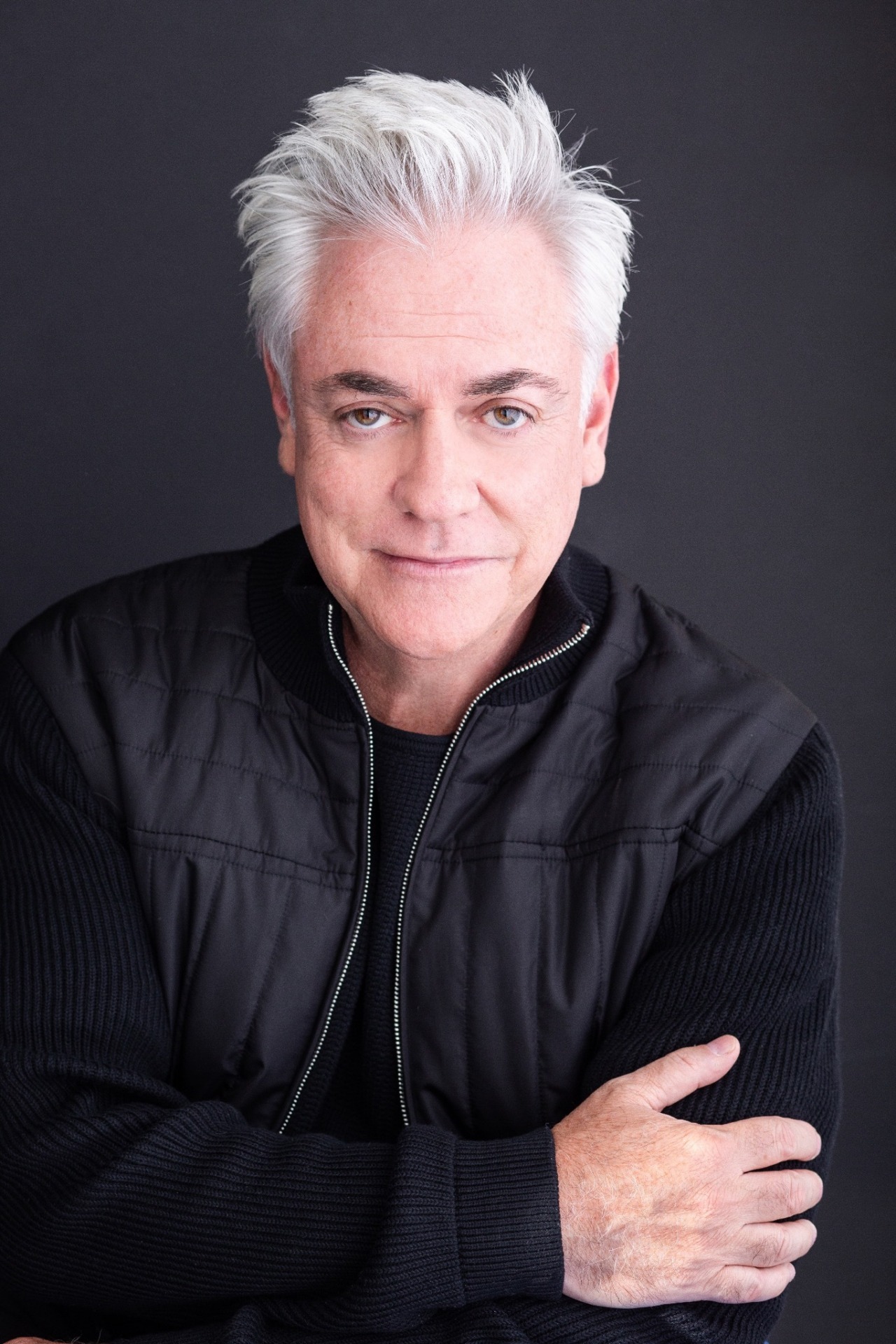
Los Angeles mainstay Sean Healy Presents is celebrating 30 years as an independent concert promoter with a Sept. 19 show by influential South Central-born alternative hip-hop group Pharcyde at the Troubadour in West Hollywood.
The event will also feature DJ B Original and others to be announced. Tickets go on sale tomorrow, June 12.
“For 30 years, Los Angeles has been our home and the foundation of everything we’ve built,” said Sean Healy, Founder and President of Sean Healy Presents. “Having The Pharcyde headline our anniversary celebration at the Troubadour feels like a full-circle moment. We’re excited to celebrate with the artists, fans, venues, and industry friends who’ve been part of the journey.”
Over the past three decades, Sean Healy Presents has promoted thousands of concerts and worked with artists ranging from Wu-Tang Clan, SZA, Machine Gun Kelly, Daniel Caesar and OneRepublic, mostly in Los Angeles but as varied as New York, Phoenix and Sacramento. The company also produced early Los Angeles performances by now-superstars like Kendrick Lamar and J. Cole, with recent highlights including K-pop superstar TAEMIN’s sold-out 2025 performance at the Kia Forum.
For the occasion, Pollstar caught up with Healy, originally hailing from Chicago and moving to LA in 1990 with dreams of making it in the movie business, to hear more about the last 30 years of successfully operating as an independent promoter in the epicenter of the live entertainment industry, finding a niche and being able to move quickly in an industry that requires a lot of runway.
Pollstar: Like many in LA, you started with hopes of being in the movie business. Sean Healy: I’ve been here since 1990 and started the company in 1996. I was an actor and I belonged to a theater company. The theater had open nights on Sunday nights and you used to have to pay money to be a part of these theaters out here, so I decided to start utilizing the space when it was dark and started producing underground performance art shows, poetry, spoken word and music, dance. Through that I started meeting a lot of bands and musicians and just oddball acts and I just started calling bars and clubs around Hollywood saying, “Hey, I have this great show. Can I do my show at your club?” One of the guys hired me to be the day booker, the band booker during the day and order the beer and book the bands. So that’s kind of how it all started germinating. One night I booked a show at the club and, and I made my rent money in one night on $5 bills, and the light bulb clicked off in my head and I was like, you know, I’m about 28 and, uh, not really getting a lot of acting work, so maybe if I give this band thing a shot. That’s how it started
There’s no shortage of live entertainment options in LA, which sounds like it could be harder than some to operate within as a smaller promoter. We’ve been independent all these years and we have to swim with sharks. Our competition is the big boys. The evolution and the change of music and styles over the years is really pretty interesting. We were doing shows in the early 2000s when there was a little bit of a rock movement out here, and at one time we were the only ones doing hip-hop on the Sunset Strip, at the Key Club and the House of Blues. Post-pandemic, we got really big into K-Pop and it’s been a journey. We’ve always had to kind of make our own path, sometimes to find emerging artists or artists that the big agents don’t really care about anymore, or people that want to revive their careers.
We will go from a 300-person show last night at the Moroccan to a 3,000-person show the next week somewhere. We did TAEMIN out at the Forum, which was our biggest to date, at 12,000 or so people in February of last year. We had done the Forum before, but hadn’t sold it out.
K-pop blew up quickly after the pandemic, with a lot of artists doing their first U.S. shows or tours ever. You were ready to move just as fast, with help from agents like Trevor Swenson at Dynamic Talent International. The fans are so passionate. It was popping right after the pandemic and that took us, the last three years, into a whole different space, not only musically but we had to get into theaters in order to do these shows. To do a K-pop show at the Apollo Theater, at the Wiltern or the Chicago Theater, there were so many theaters we went into that we had never done shows at before, and some had never done K-Pop before.
Just surviving the COVID shutdown is an achievement. For sure, we got the SVOG (Shuttered Venue Operators Grant), which definitely helped. We definitely got help from every avenue that you could, and that is what allowed us to bring everyone back and go full steam. It really was a godsend. I feel awful for those venues that didn’t have their paperwork straight in 2019, because they didn’t get help. They inevitably went out of business, most of them. You had to have your paperwork straight in order to qualify for most of that.
You’re a bit of a chameleon when it comes to genres and types of music, and not limited to certain venue size or type. You’re known for different things. We just literally do everything and there’s no real way to pinpoint what size or what genre we do, because it changes, every day, with a phone call or an email for somebody wanting to do something. It’s cool because it’s never boring. I’ve been asked, “How come you didn’t want to go to Live Nation or AEG or book one specific room?” I like the idea of the boutique-type company where I can be creative and create this type of show in this market or these markets. It allows for a lot of creativity while still being respectful that it’s a business. At the end of the day, we’re all getting paid because we’ve sold tickets.
You could ask someone about us and they’ll be like, “Oh yeah, he, he did the Viper Room and he used to have five bands sell 50 tickets, and it was packed every night.” And they’re not wrong. But then someone could say, “I went to his sold out K-pop show at The Wiltern with Dreamcatcher was awesome.” Or we did John Waters, the director, we did his Christmas show at the El Portal Theater in North Hollywood and that sold out two nights. I could get off the phone with you right now and go in the other room and the guys are like, “Hey, we’re, we’re working on a reunion tour for Fat Joe or the Wu-Tang Clan.”
You did early-career shows for Kendrick Lamar and J. Cole, and have done a lot of hip-hop over the years. Our first taste of a national act, and really our first time doing anyone of note, was George Clinton and members of P-Funk. That was our first one where we’re like, “Oh, wow, we got a headliner. We’ve got to pay him. We’ve to do ground transportation. We’ve got to get him hotels.” And we pulled it off, so George Clinton started telling other people, and the next thing you know, we were doing Phife Dog from A Tribe Called Quest, and we were doing Digital Underground, and then we were doing Tone Loc, KRS One, and then Slick Rick. For many years we were really in that hip-hop space.
And a Jussie Smollett show after his publicity stunt, when the actor faked a hate crime and gained the sympathy and attention of millions — but before that part became public. The short version is he booked just that one show with us, like two months in advance. Normally when we would book Jussie, he wanted three or four dates in a row. So he had planned this one-off date at the Troubadour for three days after his attack. There’s a whole Netflix documentary on it now and there’s some footage from the show and we’re on the marquee, “Sean Healy Presents Jussie Smollett.’ it was weird because CNN and Entertainment Tonight and the news outlets, they somehow were getting the phone numbers of my employees’ parents and stuff looking for quotes, but nobody ever asked me. I would have told them, this show was odd when it began. It was like half sold out and we were worried about it. And then a couple days later was the attack and the show sold out within minutes, whatever was left.
How about underplays? We did the Jonas Brothers at the Viper Room. Oh, it was a fun show. Someone from the label called my office and said they had played the Hollywood Bowl and wanted to do a secret club show. They didn’t say the Viper Room, I think we pitched them that. So we helped produce that entire thing as far as getting the booking done and facilitating the show. We did the same thing with Yungblood a couple times at the Viper.
A strength is being able to move quickly . That’s exactly it. An agent could call up here and say, “We have this artist and need to get him out in April. Can you route three or four drivable dates out of California?” We can turn that around really quick, sometimes within hours. We are kind of like a factory that way. We have seven staff full-time in the office — we’re in Studio City — and then we have trained production managers in all the markets that we do. They get everything from here and then they run the show at night, and then they report back to us. If it’s a big show at a big theater outside of LA, we will send someone from the office, but we have people on the ground in all those cities. We’re a middleman between the venue and the artist, so we have to have representation on our end.
Being in the clubs all these years, you’re going to deal with a different sound guy every night, a different manager of the venue every night, everyone’s got a personality and not everyone’s had a great day. We train our production managers to appease both sides, to be problem solvers and keep the calm, so to speak. We’ve got to make sure the venue’s happy and the artist is happy and the fans are happy. We have to take care of everybody when we put a show on the board.
You’re also a rare breed being a true indie promoter that doesn’t own the venue, the bar or concession stands. You have to be creative with it. You have to play the room that makes the most sense with less costs, or rooms where we can go into and bring our own ticketing. After all these years, there’s never been any corporate investment. Nobody’s ever invested money into us. We don’t typically get the bar, we really are working off of the door and have done that for all these years and all these thousands of shows. There’s risks involved, obviously but that’s how we did it.
How have the national tour deals changed things for you? It’s tough to compete, especially when they’re sometimes offering advances or dangling festivals. Those are the biggest roadblocks. If you’re an independent artist or you haven’t signed with anyone yet and you come in our office, we can literally set up the whole thing. Sometimes we’ll say, “Hey, why don’t we do three days drivable and see if you guys like being in a car with each other for eight hours a day?” And if that works, then we’ll set up a whole tour for you. It’s not always easy, but we’ve routed several tours. We’re accessible and we have to make the show work because we’re relying on the ticket sales, too.
After 30 years, you don’t seem to be slowing down. I plan on working as long as I can. I’m 57. I could see myself working another 20 years because we love it love everything I just told you about. We love creating shows. We love how shows come from a phone call into the actual show. You get off a plane in another city and you’re at that show and you’re like, “Wow, that came from a phone call in my office in LA in Studio City.” I see us doing a whole lot of everything. We’re always just kind of following the trends and seeing where we fit, buying tours as much as we can, doing the theaters as much as we can, and still taking care of the local artists that need a show.
_Originally reported by [Pollstar](https://news.pollstar.com/2026/06/11/promoter-profile-sean-healy-presents-celebrates-30-years-announces-pharcyde-concert-at-the-troubadour/)._
Comments
Loading comments…