
Live Nation Receives $420M in Taxpayer Subsidies, Study Finds
A Vanderbilt Policy Accelerator study reveals Live Nation benefits from over $420 million in state and local government taxpayer funds, primarily tied to its management of large amphitheaters and stadiums, including those publicly owned.
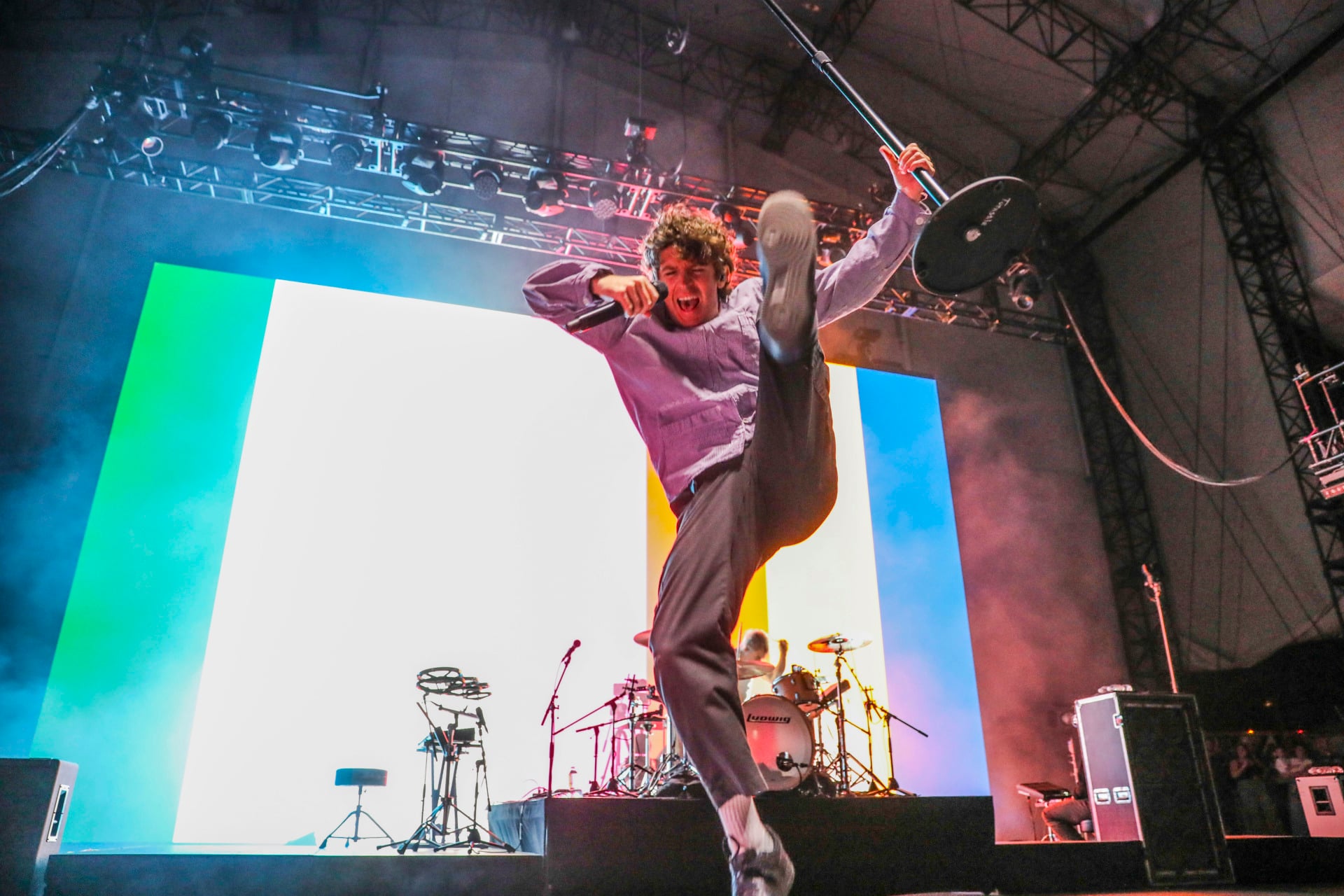
A new study from the Vanderbilt Policy Accelerator determined that Live Nation benefits from more than $420 million in taxpayer funds from state and local governments connected to the live giant’s operation of large amphitheaters and stadiums, even those owned by the same governments.
We came to this conclusion by surveying all of Live Nation’s large outdoor amphitheaters and stadiums in the United States, the venue market that Live Nation most dominates. Of Live Nation’s 64 applicable venues, a startling 30 (47%) are government-owned properties that Live Nation operates via contracts that are highly favorable to Live Nation. We were able to find 4 more instances of privately-owned amphitheaters that received taxpayer support via discounted sales, infrastructure support, or tax breaks and public bond financing, though we expect there are more we did not find. And while we did not conduct a survey of Live Nation’s smaller venues, we found 2 additional instances of smaller privately-owned venues receiving taxpayer support, suggesting the problem extends beyond the large outdoor venues. In total, we were able to find at least $420 million in taxpayer money that went to benefit Live Nation, and that does not even include the below-market rent Live Nation is paying or its profit from selling naming rights on government buildings,” the study’s authors wrote.
The VPA proposes two solutions for local governments.
The first, an ‘outsourcing with conditions’ model, would open venue operating contracts to competitive bidding with strict conditions to advance the public interest and a preference for independent venue operators familiar with the unique needs of local communities. The second, a ‘public D.I.Y.’ model, proposes that cities operate their properties via a specially chartered public nonprofit corporation,” they wrote, using the example of Nashville’s Ascend Amphitheater — which is now run by Grand Old Opry parent Ryman Hospitality — for the former and Red Rocks for the latter.
VPA also suggests that cities could leverage expiring contracts — especially at Glen Helen, just outside LA, and Chicago’s Huntington Bank — to their advantage, earning concessions from Live Nation, while suggesting that all governments in deals with LN require the promoter to operate the amps as open rooms.
On The Road
A Live Nation study found that the showgoing public travels 38% more than the general population and are more likely to visit new places and stay longer.
“Fans tend to build several days of travel around a show, with 87% staying for more than one night. Nearly 3 in 4 venture beyond the host city to explore nearby towns, another major destination or somewhere across the border. Along the way, they meet up with friends arriving from different places, work remotely to extend their stay and turn a single event into a longer, multi-stop trip,” the study says, “Each extra day brings another meal, hotel night, ride, activity or purchase. Fans spend 40% of their live music travel budget on the event and 60% on the rest of the trip. Food, flights and accommodations are the areas where they are most willing to spend. Spending also begins well before the trip. 86% buy something in advance, including clothing, footwear, luggage, portable technology, beauty products and travel insurance.”
Those who visit a location for the first time for a live music event are more inclined to return, whether there’s a music connection or not.
‘Superstars’ Go Global
The latest Global Music Pulse study from Chartmetric found that the share of U.S. and U.K. “superstars” is shrinking as the music market goes global.
Defined as an act in the top 0.2% of Chartmetric’s ratings, the share of U.S. superstars fell from 45.1% in 2021 to 33.1% now, while British superstars represent 7.6% of the total, down from 10.6%.
The raw number of superstars for both countries grew significantly, but the sheer number of superstars has grown across the world, with India, Brazil and Nigeria showing the greatest growth.
_Originally reported by [Pollstar](https://news.pollstar.com/2026/09/25/the-biz-live-nation-subsidized-420m-by-state-local-govts-study-says-live-music-travel-superstars-globalize-more/)._
Comments
Loading comments…