
NYC Enacts First-of-its-Kind "Click to Cancel" Rule for Streaming Services
New York City's new "Click to Cancel" rule, effective October 1, covers music streaming subscriptions like Spotify, Apple Music, and Amazon Music, marking a first for a U.S. city.
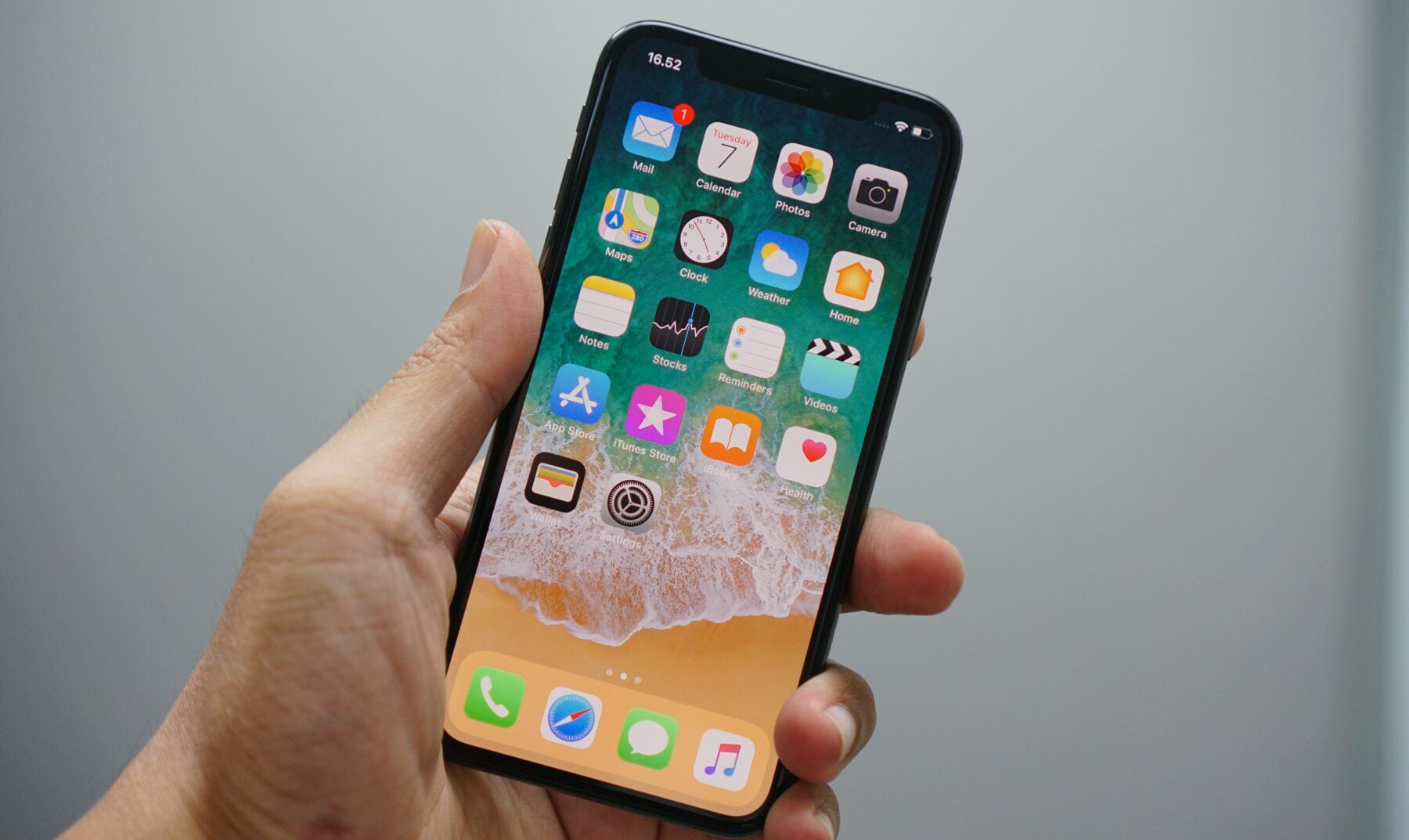
New York City’s ‘Click to Cancel’ rule, billed as a first for a US city, has taken effect with music streaming subscriptions covered
October 6, 2026 By Mandy Dalugdug
New York City ‘s “Click to Cancel” rule took effect last Thursday (October 1).
Continue to article...
The city’s Department of Consumer and Worker Protection (DCWP), which enforces it, describes the measure as a “first-in-the-nation municipal rule.”
Music streaming services that sell subscriptions in the city are covered by it, as are video streamers, telcos, gyms, and publishers.
The rule requires any business making an automatic renewal or continuous service offer to give consumers a cancellation mechanism that is as easy to use as the one they used to subscribe – and through the same medium they used to sign up, according to the text of the rule .
Failing to offer a clear, conspicuous, and streamlined cancellation method is now classed as a deceptive and unconscionable trade practice under the new rule, 6 RCNY § 5-110.1 , which is enforced through the city’s Consumer Protection Law at section 20-700 of the Administrative Code.
Civil penalties start at USD $525 for a first violation, rising to USD $1,050 for a second, and USD $3,500 for a third and subsequent violations.
Violators are also liable for the money charged to a consumer after that consumer’s first attempt to cancel, under section 5-110.2 of the rule.
“In our city, we’re drawing a clear line: if you can sign up with a click, you must be able to cancel with one,” said New York City Mayor Zohran Mamdani when the rule was proposed in April.
The rule was proposed and published on April 8, 2026 . A public hearing was held on May 8 , and DCWP adopted the final rule on July 10 .
It followed Executive Order No. 10, issued by Mamdani on January 5, 2026 , which directed DCWP to prioritize monitoring, investigating, and taking enforcement action against subscription-related practices that deceive or mislead consumers.
DCWP says it received more than 100 complaints from consumers about the difficulty of canceling subscriptions in 2025 alone.
Beyond cancellation itself, the rule sets notification requirements that bear directly on how services such as Spotify , Apple Music , and Amazon Music handle their subscriber bases in the city.
Those requirements largely mirror New York State’s existing automatic-renewal law, General Business Law § 527-a . What the city rule adds, on DCWP’s own account, is three things: its own schedule of civil penalties, a defined measure of restitution, and an expanded set of mediums through which a consumer must be allowed to cancel.
That last point, at section 5-110.1(d) , matters for services that sell subscriptions through several routes at once. A business must offer cancellation through every medium by which it accepts sign-ups – so a service taking consent via website, app, and phone must allow cancellation through all three. Where consent was given in person, the business must additionally offer an online cancellation route, such as a website or email.
Businesses must give subscribers clear and conspicuous notice of any material change to subscription terms, including price increases, at least five business days before the change and no more than 30 days before it.
Subscriptions with an initial paid term of a year or longer, renewing for six months or longer, must carry a renewal notice between 15 and 45 days before the cancellation deadline.
Free trials running longer than a month require notice between three and 21 days before the cancellation deadline for the first chargeable period.
The rule also limits retention offers: a discount or save offer presented after a consumer initiates cancellation is prohibited where it obstructs or unreasonably delays that cancellation, under section 5-110.1(e)(2) . DCWP amended that provision at adoption, after industry comment, to make clear it is intended to be fully consistent with the equivalent state provision and does not ban save offers outright.
Exemptions cover banks, bank holding companies, credit unions, and other financial institutions licensed under state or federal law; entities regulated by the New York State Department of Financial Services ; security system alarm operators licensed by the New York State Department of State ; businesses operating under a franchise issued by a political subdivision of the state; and sellers and administrators of service contracts under New York Insurance Law.
Music and video streaming services are not among the exempted categories.
DCWP noted that groups representing the motion picture, television, streaming, telecommunications, broadband internet, health and fitness, newspaper, and magazine industries opposed the proposal, arguing that existing New York General Business Law provisions were sufficient and that a local rule could cause confusion.
The department rejected that argument, and separately refused a request from the wireless and telecommunications industries for an exemption on the grounds that the Federal Communications Commission already imposes consumer protections on them.
Those comments, DCWP wrote, “do not identify any federal law or regulation that imposes a Click to Cancel requirement.”
The Roosevelt Institute estimated, in comments submitted to the department, that the rule would save New York City adult consumers up to USD $162.5 million per year and at least 600,000 hours per year.
The city rule arrives more than a year after the US Court of Appeals for the Eighth Circuit vacated the Federal Trade Commission’s own ‘click-to-cancel’ rule on July 8, 2025, days before it was due to take effect.
That federal rule was challenged by a coalition of trade bodies and businesses including the US Chamber of Commerce , NCTA – The Internet & Television Association , the Interactive Advertising Bureau , the Electronic Security Association , and the National Federation of Independent Business , in a case consolidated under the name of lead petitioner Custom Communications, Inc.
NCTA’s membership includes Comcast NBCUniversal , Charter Communications , Disney , and Paramount Skydance – among the largest US businesses reliant on subscription revenue.
As MBW explained in August 2025 , a simplified cancellation process carries consequences for DSPs beyond churn, including security exposure and the loss of data gathered during the unsubscribe flow on why subscribers are leaving.
The New York City rule also lands months after Spotify raised the price of its US Premium Individual tier from USD $11.99 to USD $12.99 per month, with the increase hitting subscribers from their February 2026 billing dates.
In New York City , failing to give subscribers advance notice of a price change of that kind now carries city penalties.
Consumers who believe a business has breached the rule can file a complaint with DCWP , which may assign a mediator to seek a settlement between the consumer and the business. Music Business Worldwide
News United States Click to Cancel Act click-to-cancel
Related Posts
The US’s ‘click-to-cancel’ rule could soon be law. What would that mean for streaming services?
_Originally reported by [Music Business Worldwide](https://www.musicbusinessworldwide.com/new-york-citys-click-to-cancel-rule-billed-as-a-first-for-a-us-city-has-taken-effect-with-music-streaming-subscriptions-covered/)._
This story is summarized from coverage by Music Business Worldwide.
Read full story →Comments
Loading comments…